
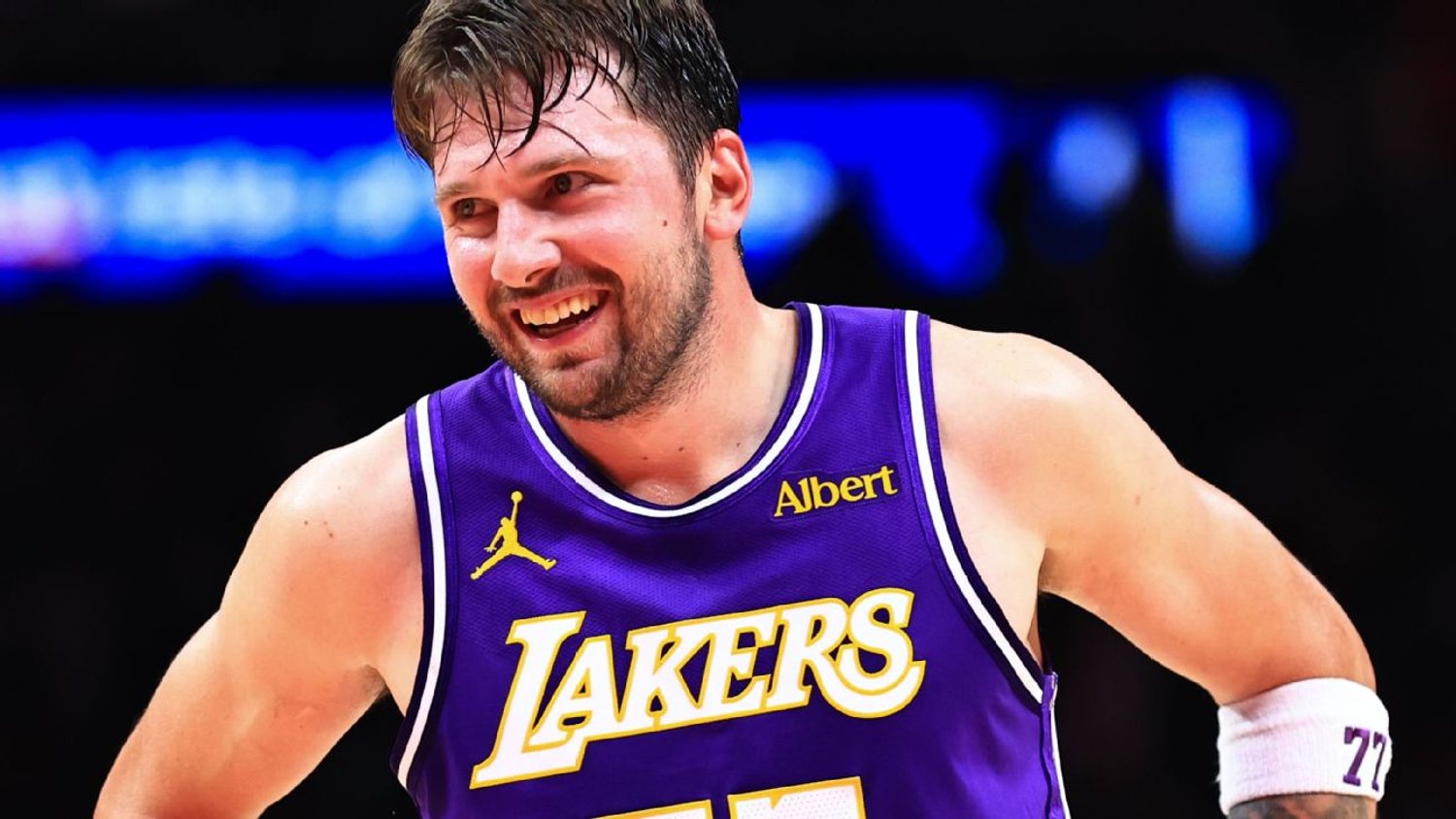
Luka Doncic had already supplied Cameron Carr with the pass for his first NBA basket. After the Lakers beat Atlanta on Monday, he went after the souvenir, too. Thuc Nhi Nguyen reported in the Los Angeles Times that Doncic grabbed the game ball as a memento for the rookie. I like that version of leadership: notice whose night deserves remembering, even when your own name leads the box score.
As of Tuesday, Nov. 10, I want the Lakers to carry that attention into Carr’s next difficult shift. Celebrate the first bucket. Then make the correction after a missed assignment just as personal and useful. Doncic remembering the ball is a good start; helping the rookie understand the next possession is how the gesture can become a habit that matters during games.
Nguyen described the scoring play: Doncic stole a Hawks pass, sent an outlet to Carr and watched the rookie finish with a two-handed dunk. There is a pleasing economy to it. The star creates the opening, the rookie runs into it, and nobody needs to stop the game for a lesson on belonging.
Dan Woike also observed Doncic securing the basketball immediately after the buzzer in his original post on X. Nguyen’s report identifies Carr as the intended recipient. The souvenir came after a 124-114 Lakers win, their sixth straight, as Dave McMenamin detailed for ESPN. A winning locker room had room for somebody else’s first.
The Basketball Reference box score gives Carr two points and three rebounds in seven minutes, 19 seconds. He made one of two shots, missed his only three-point attempt and committed no turnovers. That is a small line with a large personal landmark attached. It deserves to be enjoyed without turning it into a scouting report for the rest of his career.
The detail I find more interesting than the scoring total is in Nguyen’s account of his usage. Carr got his first rotation minutes and started the fourth quarter. He was asked to participate before the final horn, with actual basketball still to be played. The ball afterward commemorated something he had done inside the game.
We have already made the case for Carr earning his Lakers minutes through a narrow offensive assignment. Monday adds a different responsibility, this time for the player delivering the pass. A veteran can help a rookie by recognizing a simple opportunity and trusting him to finish it. I want Doncic to keep making the available pass when Carr is the available teammate.
That trust should survive a miss. If Carr runs the same lane next time and blows the finish, I would still want the pass made. The standard should be whether he created a useful target, rather than whether his previous attempt made the highlight package. Giving a young player an instruction means letting him try to execute it again.
Make the Next Correction Worth Hearing
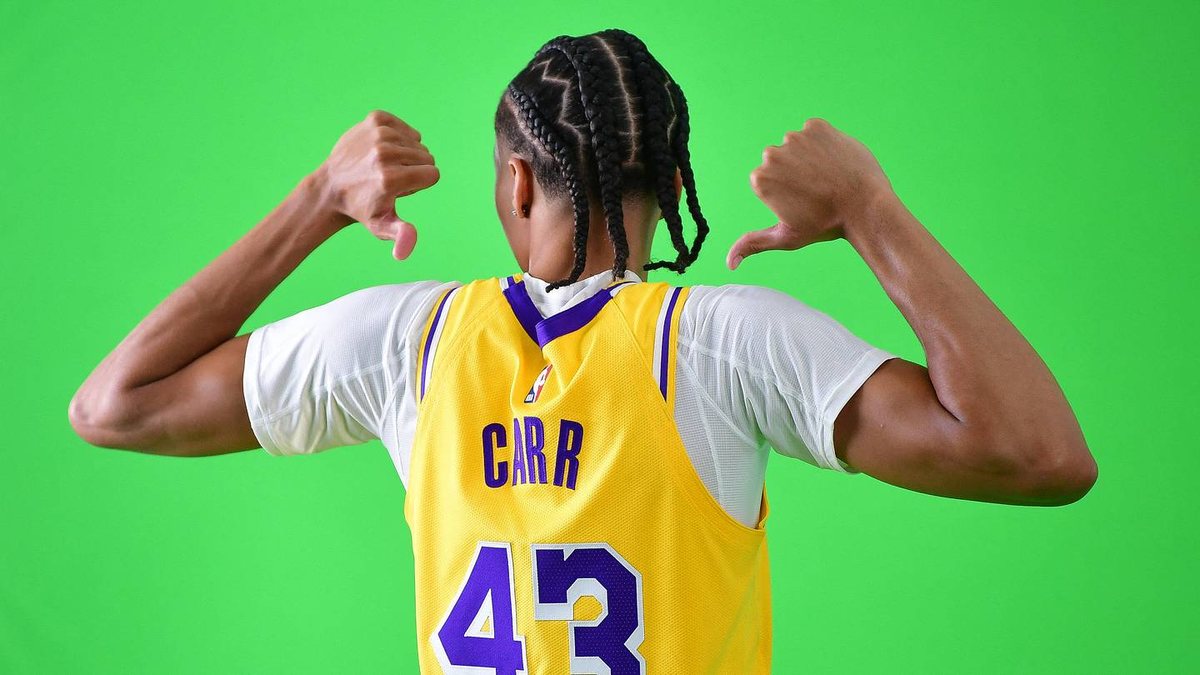
I would judge the follow-through on a less photogenic possession. Suppose Carr cuts when Doncic expects him to stay outside. I want a quick explanation of the cue: what did the ballhandler see, what did the rookie see, and which movement should follow next time? A frustrated wave toward an empty corner leaves too much translating for the youngest player.
This is the same principle behind our argument for Austin Reaves leading through specific conversations. The useful part of leadership is leaving a teammate with an instruction he can act on. The game ball says that his achievement was noticed. The next conversation should make his next assignment clearer.
It should also leave room for Doncic to be wrong. If the pass comes late, own the late pass. If Carr makes the correct movement and the ball never arrives, acknowledge that, too. I would expect more from a star’s explanation than a standing assumption that the rookie misunderstood. Teaching works better when the person doing it is willing to examine his own part.
There is a timing requirement, too. Save the longer explanation for a dead ball. During live action, the first instruction should get everyone back into the possession: find the ball, identify the assignment, keep playing. A star stopping to explain a mistake while the opponent runs past him would be adding another mistake. Being helpful includes knowing when the conversation has to wait.
In the film room, I would give Carr the first answer. Pause before the outlet and ask what he saw, then let Doncic describe the window he was passing into. That makes the rookie practice reading the play instead of merely agreeing with the veteran. The good possession deserves examination as much as the bad one. Repeating the dunk starts with recognizing the chance to run.
The coach should have the final word on the assignment. If Doncic wants one movement and the bench has instructed another, Carr should not have to choose which authority to disappoint. Settle the instruction together. I would rather spend a timeout getting that clear than spend the next week wondering why a young player looks hesitant. Confidence is easier to ask for when the directions agree.
That gives us something concrete to watch beyond the souvenir: whether Carr and Doncic recognize the same opportunity the next time it appears. The useful result might be a pass, or Carr clearing space for someone else. I would judge the shared read before checking who scored.
None of that requires Carr to receive a nightly minutes promise. Our earlier case for giving him real games in Coachella Valley concerned where he could get repetitions. Wherever the next opportunity comes, I want the Lakers’ feedback to travel with him. Tell him what to repeat from Atlanta and give him a specific thing to improve. A keepsake is easier to pack than a vague instruction to be ready.
Basketball Reference records 32 points and 10 assists for Doncic on Monday. Those are the large numbers. Carr’s two points are the ones he gets to call his first, and Doncic took the trouble to preserve that distinction. I would rather see more of this than another debate about whether a leader looks sufficiently stern during a timeout.
The ball can go on Carr’s shelf. The attention should stay with his next possession.