
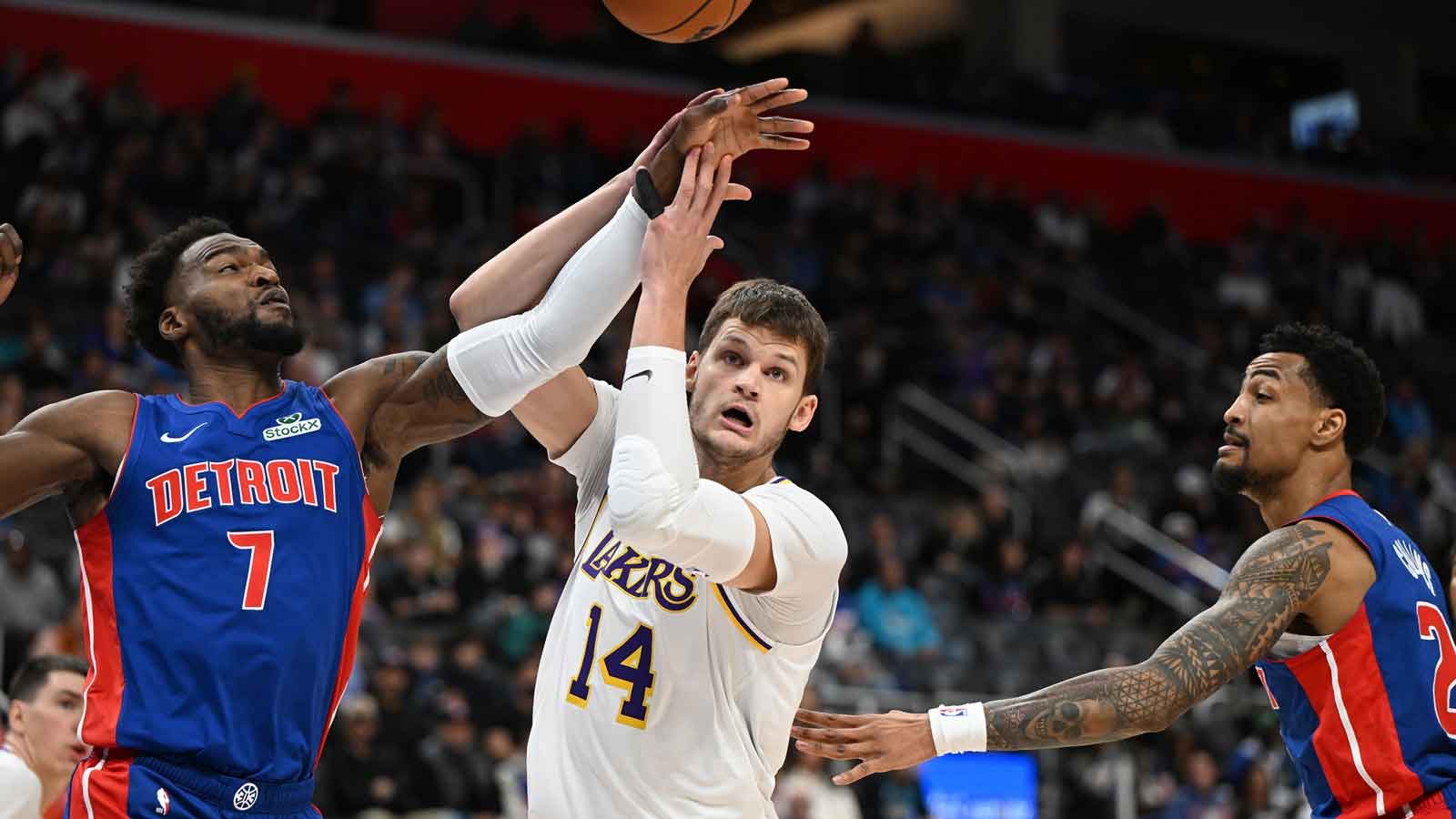
As of November 13, Walker Kessler has 23 assists and 22 turnovers through his first 13 Lakers games, according to Basketball Reference. That is a modest passing record. It is also where I would start building a specific answer for the nights defenses send two players at Luka Doncic: get Kessler the short pass, then give him an easy decision.
I want JJ Redick to rehearse that outlet until everyone knows where the next pass belongs. Kessler should catch moving toward the basket, with a teammate available beside him and another threatening the rim. Asking him to stand at the elbow and invent an offense would be an entirely different job. The Lakers can get useful passing from their center without handing him the steering wheel.
There is a good reason to preserve what already works. Basketball Reference has Kessler at 81-for-120 from the field, 67.5%, with 14.5 points in 30.8 minutes a game. I want his passing touches to grow out of that finishing role. The defense should have to stop a possible dunk before it gets to worry about his next pass.
Make the Catch Easier Before Asking for More Passes
The possession I would practice begins with a high screen. If both defenders stay with the ballhandler, Kessler should turn into the space behind them and show his hands. The guard’s job is to deliver the ball before the defenders can recover. Waiting until the dribble is trapped against the sideline makes every pass harder, including the supposedly safe one to the center.
His season assist and turnover totals do not tell us how many times he has faced a trap, where he caught the ball or which teammate was available. They do give me a reason to keep the assignment narrow. A completed pass to the center should relieve pressure, and a difficult second pass can put it straight back on.
Give him a simple order of decisions. First, look at the basket. If the lane is open, keep going. Second, find the teammate whose defender steps into that lane. If neither choice is available, return the ball to a guard and screen again. A reset is a perfectly respectable result when the alternative is a pass through someone’s chest.
The other Lakers have work in this arrangement. I would put a shooter in the corner and a guard within reach on the wing, with enough separation that one defender cannot comfortably cover both. The wing player should move into Kessler’s sightline as the pass arrives. He should not have to catch, turn and conduct a missing-person investigation.
There is a tradeoff in placing that second guard nearby. It can bring another defender toward the action, so the outlet needs to remain far enough away to force a choice. I would start with the easiest passing angle and adjust the spacing in practice. Drawing a beautiful arrow across a whiteboard does not make the ball travel through an opponent.
The first pass also needs to remain available when Doncic gives up the ball. I would have him relocate after releasing it, ready to receive a return pass against a defense that has just moved. That gives Kessler an escape and gives Doncic another chance to attack without beginning the entire possession again from a standstill.
I have already argued that the Lakers lost passing when LeBron left. This is one small way I would distribute the decisions. It would ask the center to connect the guards to the next opening, while leaving the difficult creation with the players best suited to handle it.
Keep the Roll Threat Ahead of the Assist Total
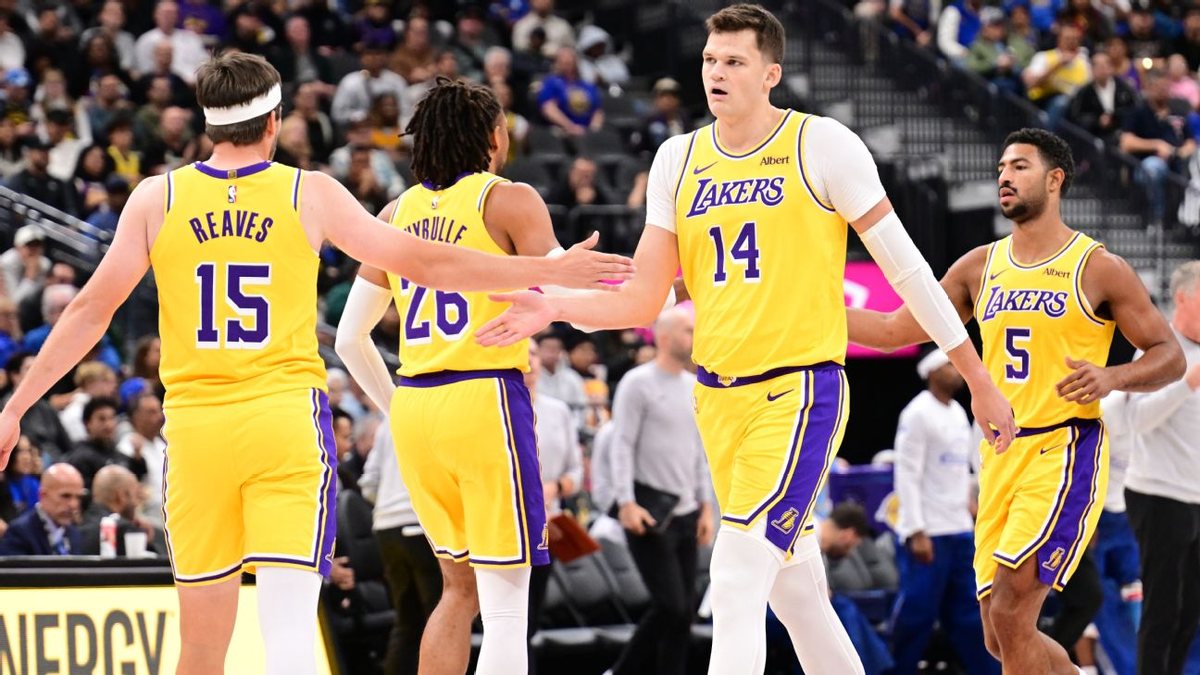
The hard roll has to remain the starting point. In his October 14 ESPN report, Dave McMenamin quoted Austin Reaves crediting Kessler’s hard rolls with creating open threes. Reaves described the opposing big having to sink toward the basket. Redick emphasized running, screening, diving and crashing the glass. That is the foundation I would keep.
If Kessler starts stopping short on every screen because we want to see him pass, the Lakers could lose the very threat that makes the outlet useful. A defender who expects him to head toward the rim has something to protect. A defender who expects him to wait for the ball can stay nearer the guards. I would use the shorter roll as an answer to committed pressure, while keeping the hard dive as the default when the lane permits it.
That is why I would resist setting an assists-per-game target. The same good decision can produce a layup for Kessler, a jumper for a teammate or a return pass that leads to another screen. Only one of those might put an assist beside his name. I care more about whether the Lakers escape the trap with an advantage still intact.
Judge the experiment by the catches first. Did Kessler receive the ball facing the basket? Could he see a nearby outlet? Did he have time to make the first read? A turnover after a late, awkward delivery deserves a different diagnosis from a turnover after a clean catch and an available pass. The center should own his decisions; the guards should own the deliveries they give him.
Then watch the corner. If its defender steps into Kessler’s path, the pass needs to leave while that defender is committed. If the defender stays home, Kessler should have permission to finish. The whole purpose is to force a decision from the defense. I do not want a center looking for an assist so earnestly that he passes up the basket the play was designed to open.
I would begin with familiar guard-center combinations in practice. Adding a new read and changing every player around it at the same time makes mistakes harder to diagnose. Let the intended receivers learn where Kessler is comfortable delivering the ball, then widen the combinations.
Our look at Kessler’s perfect shooting debut centered on the value of his finishes. Passing should protect that value. I would happily accept a quiet box score if the outlet gets the ball out of pressure and the next player makes the scoring pass.
Kessler does not need a collection of ambitious crosscourt deliveries to help this offense. He needs a clean catch, a visible teammate and permission to take the layup. Give him those choices before asking him to solve anything more complicated.